The Future Looks Promising: Why Solar Energy Is Your Best Choice Now
The shift to solar energy is increasingly relevant in our modern era. With escalating energy demands and ecological issues, people are examining sustainable solutions. Solar power presents a viable choice, delivering both ecological benefits and cost savings. As installation costs decline and technology improves, pasco best rated generator installation services the advantages become increasingly clear. However, potential adopters may still have lingering questions about the process and implications. Understanding these factors can reveal whether solar energy is the right choice for them.
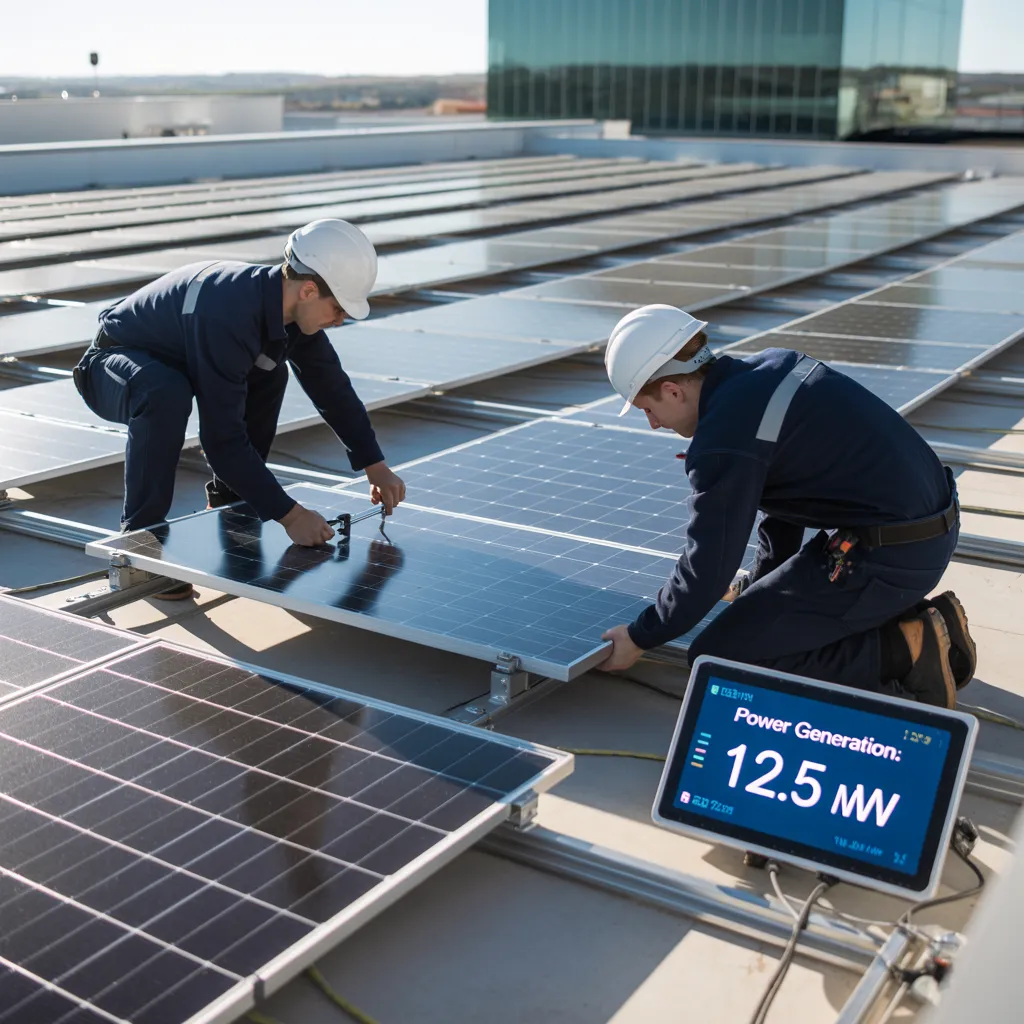
Comprehending Sun Energy Fundamentals
Solar power, a potent renewable energy source, captures sunlight to produce electrical power and thermal energy. It is primarily captured through photovoltaic cells, commonly found in solar panels, which convert light into electrical energy. This process occurs when photons from sunlight excite electrons in the cells, creating a flow of electricity. Moreover, solar thermal systems harness sunlight to elevate fluid temperatures, enabling their use for domestic heating or steam-driven electricity production.
Solar power systems can be installed on rooftops or in expansive solar farms, offering flexibility for both residential and commercial applications. With decreasing costs and advancements in technology, solar energy has become more and more accessible to a broader audience. Incentives, such as tax credits and rebates, further promote adoption. As a reliable and sustainable energy source, solar power plays an essential role in decreasing dependency on fossil fuels and promoting energy independence.
How Solar Power Impacts the Environment
Whereas many energy sources result in environmental degradation, solar power stands out for its capability to considerably reduce carbon emissions and other pollutants. By harnessing sunlight, solar energy supplies a clean alternative to fossil fuels, which are primary contributors to air and water pollution. The use of solar panels produces electricity without emitting harmful emissions, markedly cutting the carbon footprint of energy consumption.
In addition, solar power systems demand negligible water for functioning, compared to traditional power plants that need substantial water resources for cooling. This minimization in water usage helps mitigate burden on local water resources, notably in arid regions.
In addition, as solar innovation develops, the environmental footprint of creating and getting rid of solar panels consistently enhance. The recycling of solar components is getting more streamlined, additionally reducing environmental worries. On the whole, the adoption of solar energy represents an essential stride in the direction of a sustainable and green future.
The Monetary Benefits of Moving to Solar Energy
Converting to solar energy offers considerable financial benefits for homeowners and businesses alike. Not only can consumers expect substantial long-term savings on energy costs, but there are also various tax incentives currently available that can lower the initial investment. This combination of savings and incentives makes solar energy an ever more attractive alternative for those looking to lower their overall energy expenses.
Potential for Long-Term Savings
Committing to solar energy delivers substantial long-term savings potential that can substantially impact business finances and household budgets. By creating their own electricity, property owners can substantially reduce or even eradicate their monthly utility bills. Over time, these savings build up, leading to a return on investment that often exceeds initial installation costs. Additionally, solar energy systems typically require limited maintenance, further improving their cost-effectiveness. With energy prices projected to rise, securing a stable energy source through solar can provide economic stability and certainty. Additionally, as technology evolves, the efficiency and lifespan of solar panels continue to improve, making certain that the long-term rewards of solar energy remain compelling for both homeowners and business operators.
Available Tax Incentives Today
How can homeowners and businesses benefit financially from tax incentives when transitioning to solar energy? The federal government currently offers the Investment Tax Credit (ITC), which allows individuals to deduct 26% of the solar system investment from their federal taxes. This incentive is applicable to both residential and commercial installations, greatly reducing the initial investment. In addition, many states provide their own tax credits, rebates, and grants, further increasing financial benefits. Some local governments also provide property tax exemptions, guaranteeing that the increased property value from solar installations doesn't translate into higher taxes. These incentives collectively render solar energy more financially attractive, allowing homeowners and businesses to recoup their investments faster while contributing to a sustainable future.
Important Solar Incentives to Know
How can homeowners make the most of their monetary gains while transitioning to solar energy? Understanding the different solar incentives is essential. Federal programs, such as the Investment Tax Credit (ITC), permit homeowners to deduct a significant percentage of their solar system installation costs from their federal taxes. Moreover, many states offer regional incentives, including rebates and tax credits, which can substantially reduce upfront expenses.
Certain utility providers deliver performance-based incentives, rewarding homeowners for the energy produced by their solar installations. Additionally, net metering enables homeowners to get credit for excess electricity generated, further offsetting expenses.
Financing alternatives, including solar loans and leases, can also improve affordability. Programs developed for low-income households, such as the Solar for All initiative, work to make solar accessible to a larger audience. By leveraging these incentives, homeowners can substantially increase their financial returns when moving to solar energy.
Evaluating Household Solar Panel Types: Grid-Tied, Off-Grid, and Hybrid
When evaluating residential solar systems, homeowners can select from grid-tied, off-grid, and hybrid solutions. Grid-tied systems offer seamless integration with existing power grids, enabling energy savings and potential income through net metering. Conversely, off-grid systems deliver independence from utility companies but come with specific considerations pertaining to energy storage and reliability.
Grid-Tied System Benefits
While many homeowners explore various solar energy options, grid-tied systems are notable for their multiple advantages. These systems interface immediately with the local electricity grid, permitting homeowners to leverage both solar power and traditional electricity seamlessly. One significant benefit is the potential for net metering, where excess energy generated can be returned to the grid, lowering electricity bills. Furthermore, grid-tied systems require less storage capacity, doing away with the need for costly batteries. This leads to lower upfront installation costs and simplified maintenance. Moreover, they provide reliable electricity during non-sunny periods, ensuring continuous power supply. All things considered, the efficiency and cost-effectiveness of grid-tied systems make them an desirable choice for countless homeowners looking to transition to solar energy.
Considerations for Off-Grid Systems
While off-grid systems deliver a autonomous energy solution, they come with distinct considerations that homeowners must evaluate. Initially, the initial investment tends to be higher due to the demand for batteries and additional equipment. Homeowners need to also consider their energy consumption patterns, as off-grid systems necessitate careful management to guarantee the availability of power during periods of low sunlight. Furthermore, maintenance responsibilities increase, with regular checks on battery health and system performance. Off-grid systems may also need space for solar panels and batteries, which can be a limiting factor for some properties. Lastly, homeowners should assess their extended energy needs and potential future expansions to confirm the system remains appropriate over time.
Widespread Misunderstandings Concerning Solar Energy
What false beliefs hinder the grasp of solar energy? Numerous people think that solar panels are inadequate in cloudy or rainy climates, but technological progress have enabled panels to capture energy even in non-ideal conditions. Another frequent myth is that solar energy is too expensive; however, prices have significantly decreased over the years, making it more accessible for homeowners. Some people are concerned that solar panels require significant maintenance, yet they are generally maintenance-light and often come with warranties spanning 20 years or more. Furthermore, there is a belief that solar energy can only be gathered in big installations, when in fact, residential setups can be equally successful. To conclude, concerns about the durability of solar panels often surface, but most systems are designed to last 25 years or beyond, offering sustainable energy solutions for decades. Dispelling these misconceptions is critical for a better understanding of solar energy's potential.
Solar Panel Installation: A Step-By-Step Guide
Comprehending the realities of solar energy establishes the groundwork for those contemplating its adoption. To install solar panels, one must first assess the roof's suitability. This includes assessing the roof's area, angle, and sun exposure throughout the day. Next, obtaining essential permits and checking local regulations is essential to ensure compliance.
Once approvals are secured, the installation process commences with mounting the solar panels to the roof using mounting brackets. Following this, the panels are attached to an inverter, which turns solar energy into usable electricity.
The next step involves wiring the system to the home's electrical panel, making certain of safe and proper connection. Following installation, it is essential to test the system's functionality to ensure it functions as intended. Lastly, homeowners should think about establishing a monitoring system to observe power generation. This structured approach simplifies the shift to solar energy, providing a sustainable power source.
FAQ
Do Solar Panels Work in Cloudy or Rainy Weather?
Even during cloudy or rainy conditions, solar panels can still produce electricity, though with decreased efficiency. They utilize diffused sunlight for operation, functioning at reduced capacity relative to sunny weather.
How Long Do Solar Panels Last Before Needing Replacement?
Solar panel systems typically last between 25 and 30 years before requiring replacement. Their lifespan is determined by several factors, including installation quality, upkeep, and regional climate conditions, which can impact their performance and durability.
Do Solar Panels Boost My Property Value?
Solar panels can boost property value. Studies indicate homes with solar installations often sell for more than comparable homes without them, enticing buyers through reduced energy costs and environmental advantages connected to renewable energy.
Can I Install Solar Panels Myself?
Certainly, people can undertake solar panel installation themselves, assuming they have the essential skills and comprehension. However, complete awareness of municipal regulations, safety guidelines, and likely technical issues is necessary for a proper installation.
What Takes Place When I Sell My Home With Solar Panels?
When a homeowner sells their property with solar panels, the panels typically boost property value. Purchasers commonly welcome the energy savings, but if leased, obligations may transfer, affecting the sale. Appropriate disclosure is vital in these transactions.